
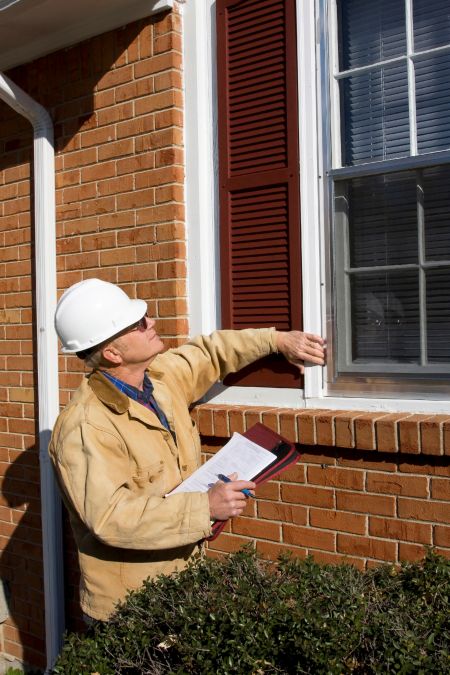
Long Island, NY Home Inspection Checklist for First-Time Buyers
Buying your first home in Long Island, NY is exciting and a little overwhelming. A solid home inspection gives you clarity before you commit. This guide explains what inspectors look for, where local homes tend to have issues, and how to use the results to make confident decisions. If you are narrowing down houses now, our home inspection services will help you move forward with facts, not guesses.
What This Long Island, NY Home Inspection Checklist Covers
Think of a house as a network of systems that work together. Your inspector evaluates how each system performs on the day of the visit and notes visible defects or safety concerns. The checklist below mirrors how most professional inspectors move through a property, inside and out, top to bottom.
Expect plain‑language notes, photos where helpful, and clear explanations. The goal is to understand condition, not to predict the future. Normal wear is common, especially in coastal areas, but major items should be flagged so you can plan.
Long Island, NY Home Inspection Checklist: What Buyers Should Expect
Most inspections follow a repeatable pattern. Here is what a thorough review typically includes in our area:
- Exterior and site: grading, drainage, siding, trim, flashing, decks, steps, railings, and visible foundation surfaces
- Roofing: shingles or membrane, gutters, leaders, flashing, skylights, attic ventilation, and signs of leaks
- Structure: visible framing in the attic and basement or crawl space, settlement indicators, and moisture staining
- Utilities: electrical service and panels, outlets and GFCI placement, plumbing supply and drain lines, water heater, and heating and cooling equipment
- Interior: windows, doors, floors, walls, ceilings, stairs, smoke and carbon monoxide alarms
- Insulation and ventilation: attic and crawl space insulation levels, baffles, and airflow
- Environmental concerns: signs of wood-destroying insects, visible mold-like staining, and conditions that can lead to moisture problems
Coastal weather, sandy soils, and a higher water table can influence these findings across Nassau and Suffolk. Inspectors connect those dots so you see the full picture.
What Does a Home Inspection Include in Suffolk County?
In Suffolk County, inspectors often pay special attention to roofing and siding exposed to wind-driven rain, deck connections on older additions, and basement moisture. Many homes rely on private septic systems. Your inspector will look for clues that point to improper drainage or saturated soil conditions around the foundation.
Heating systems vary by age and location. You will see natural gas, oil-fired equipment, and electric heat in some smaller homes. An inspector documents observed condition and age indicators so you can discuss remaining life with your agent and plan future upgrades if needed.
First-Time Buyer Checklist: How To Prepare and What To Bring
First-time buyers sometimes feel rushed on inspection day. A simple plan makes the visit productive and calm.
- Bring your agent and plan to attend the full inspection. Being present helps you understand context you cannot get from photos alone.
- Block enough time. A typical single-family inspection often takes a few hours depending on size and age of the home.
- Gather recent disclosures and seller-provided repair receipts. Your inspector can consider them as background.
- List top concerns from your showings, such as drafts, sticking doors, or water stains, so the inspector can pay close attention.
- Prepare for weather. Roofs and exteriors are easier to evaluate when you are dressed for the elements.
During the walkthrough, listen, take notes, and ask for plain explanations. Ask your inspector to prioritize safety and major systems first so you leave with a clear sense of what truly matters.
Older Long Island, NY Homes: Items Your Inspector Will Watch Closely
Older homes across Long Island, NY have charm and character, from 1920s colonials to 1950s capes and ranches. Age also brings unique patterns your inspector will consider.
- Electrical: older wiring methods, limited outlets, and panels nearing capacity
- Plumbing: galvanized or cast-iron sections, past leaks, and water pressure variations
- Foundations: settlement cracks, patch history, and moisture along the perimeter
- Attics: ventilation, insulation gaps, and signs of past roof leaks
- Basements and crawl spaces: wood-destroying insect activity and past water entry
- Additions and dormers: framing transitions and proper flashing
Moisture is the number one threat in Long Island, NY basements. Your inspector will look for staining patterns, efflorescence, and musty odors that suggest periodic water intrusion. In neighborhoods close to the bay or ocean, materials can weather faster. Coastal homes often show accelerated roof and siding wear, especially where wind and salt air hit the same wall year after year.
Neighborhood and Climate Factors To Consider
Different parts of Long Island, NY bring different concerns. In Huntington and Northport, hills can focus runoff toward a foundation. In Bay Shore, Babylon, and Massapequa, flatter lots and sandy soils drain fast but can still show seasonal high water. Patchogue and East Islip neighborhoods near creeks may experience wind-driven rain that finds weak points in siding or window trim.
Older tree-lined blocks in Rockville Centre or Oceanside often have large roots near walkways and driveways. That can shift slabs or heave steps over time. Your inspector will note these conditions and whether they create trip hazards or water paths toward the structure.
During the Walkthrough: What To Expect
Your inspector usually starts outdoors, then moves through the interior and utilities, and finishes in the attic and basement. They operate normal controls where accessible and safe. The focus is on function and safety at the time of inspection.
Think of the report as a roadmap. Items are grouped so you can separate routine maintenance from significant repairs. Midway through your search, you can also use our Long Island home inspection checklist to keep your expectations consistent from one house to the next.
After the Report: Deciding What Matters
Once you receive the report, review the summary first, then dig into photos and notes. Share it with your agent and discuss which items affect safety, livability, or the ability to get insurance. Cosmetic wear rarely changes a deal, but active leaks, electrical hazards, or failing mechanicals deserve attention.
Ask for plain talk about urgency and sequence. What must be addressed soon, and what can wait until after you move in. A clear plan keeps the process from feeling like a pile of problems.
When To Schedule and How Long It Takes
Schedule as soon as your offer is accepted. Timing varies by season and market pace. Duration also varies by home size and age. Larger or older homes usually require more time because there are more systems to review.
If a reinspection is needed after repairs, your inspector can focus on those specific items. That helps you confirm that promised work was completed in a workmanlike way.
Choose a Local Pro You Can Trust
Look for a licensed, insured inspector with deep Long Island experience. Ask about sample reports so you can see clarity and photo detail. Confirm they welcome your presence during the inspection and encourage questions. A good inspector explains what they see so you can make informed choices without fear.
South Shore Home Inspections serves buyers across Nassau and Suffolk with clear reporting and practical guidance. If you want a thorough review without jargon, our team is ready.
Ready To Book Your Home Inspection?
You deserve a calm, organized path to closing. Schedule with South Shore Home Inspections and get a clear picture of the home before you sign. You can request a convenient time through our home inspection services page or call 631-954-2187 to talk with a local specialist today in Long Island.
