
How Long Does a Home Inspection Take in Long Island, NY Homes?
If you are buying or selling around Bay Shore, Islip, or West Islip, you are probably wondering how long a home inspection actually takes. For many Long Island houses, plan on a few hours on site, plus time to review a clear written report afterward. The visit should be thorough, steady, and focused on safety and function. If you want a detailed review from a local team, you can schedule a complete home inspection with South Shore Home Inspections and get straight answers you can trust.
What Shapes Home Inspection Time on Long Island
Every property tells a different story. Timing depends on the home, weather, and access. Here are the biggest factors our neighbors see across Suffolk County:
- Home size and layout. More square footage, extra baths, additions, or a detached garage increase ground to cover.
- Age and past renovations. Older capes, colonials, and ranches often have layered updates that deserve a closer look.
- Foundation type. Basements and crawl spaces take longer than slabs, especially after heavy rain when moisture checks matter.
- Roof and attic access. Steeper roofs, multiple dormers, or tight attic hatches can add careful minutes.
- Systems and utilities. The mix of oil or gas heat, older electrical panels, or complex HVAC setups affects pace.
- Season and weather. Wind, snow, or a nor’easter day may slow exterior work for safety and visibility.
- General condition. Homes with long-deferred maintenance or numerous repairs require more documentation.
In Bay Shore and neighboring hamlets, coastal weather and a higher water table can also influence what we observe. Expect extra attention to flashing, siding, basement moisture, and attic ventilation.
A Typical Timeline From Arrival to Report
While no two days look the same, most inspections follow a steady rhythm so nothing is rushed or skipped.
1) Exterior and Site
The inspector starts outside, looking at grading, drainage, siding, decks, steps, railings, walkways, and the visible foundation. They check gutters, leaders, and roof surfaces from safe vantage points, noting wear, repairs, and seals around penetrations.
2) Interior and Major Systems
Inside, the focus turns to electrical service and panels, plumbing supply and drains, heating and cooling equipment, water heater, and interior rooms. Doors, windows, and stairs are operated. Smoke and carbon monoxide alarms are verified where visible and accessible.
3) Attic and Insulation
Attic access allows a look at insulation levels, ventilation, roof framing, and any signs of moisture. On summer afternoons in Long Island, attic temperatures can climb fast, so this step may be sequenced for safety and comfort.
4) Basement or Crawl Space
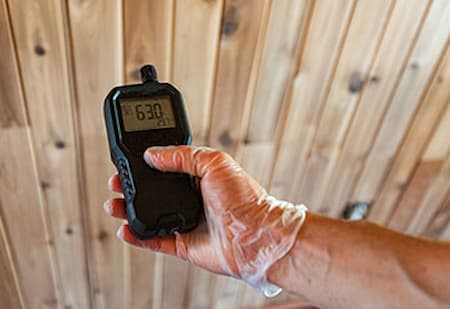
Basements and crawl spaces reveal structure, support posts, and typical moisture patterns. In older homes near the Great South Bay, a careful moisture scan and a look for wood-destroying insect evidence are important.
5) Wrap-Up and Same-Day Takeaways
Before leaving, expect a clear verbal summary of priorities and safety notes. The full report follows after careful review. Report timing varies by home and findings, but the goal is accuracy you can act on, not speed for its own sake.
Older Homes in Bay Shore and Nearby: Why They Take Longer
Many Long Island, NY neighborhoods feature homes from the 1920s through the 1970s. These properties are full of character, but they can come with layered renovations and mixed-age systems. That means more time to trace how parts of the house connect, document conditions, and separate routine aging from safety concerns.
Inspectors often spend extra minutes evaluating:
- Electrical updates, grounding, and GFCI protection around kitchens, baths, and exteriors
- Roof layers, flashing at dormers and skylights, and attic ventilation pathways
- Basement moisture patterns, efflorescence on foundation walls, and sump histories
- Evidence of prior repairs and how those repairs are holding up
Older houses are special, and they reward patience. **Do not rush the walkthrough** just to finish faster. A careful pace protects your budget, timeline, and comfort after move-in.
How Seasons and Weather Affect Inspection Duration
Long Island, NY weather changes the day’s flow. Heavy rain means slower exterior checks and extra time on drainage and foundation observations. Snow cover can limit roof visibility and require a return look when safe. Summer heat may shift attic work earlier or later. None of this is a setback. It is how good inspections safeguard your decisions.
In shoreline areas like Brightwaters and West Bay Shore, wind and salt wear can age exterior finishes faster. Expect more photos and notes on flashing, fasteners, and trim where storms tend to push water sideways.
Realistic Time Ranges by Home Type
These examples help set expectations. Actual timing varies by size, age, condition, and access.
Small condos and townhomes: Often the quickest visits, with fewer exterior elements and simpler utility layouts.
Typical single‑family homes: Most three‑bedroom capes and ranches fall near the middle of the range, especially when systems are accessible and the roof and attic are straightforward.
Larger or older homes: Expect the upper end of the range. Multiple HVAC zones, additions over time, finished basements, or tight crawl spaces add documentation and care.
Remember, you also spend time after the visit reviewing your report. That review is worth it. **Reading the report the same day** while details are fresh helps you and your agent plan next steps with confidence.
What Happens After the Visit
Before your inspector leaves, you should understand the major items and any safety concerns. The written report follows with photos and plain language. Share it promptly with your real estate professional so you can plan repairs, requests, or timing. If you are a first‑time buyer, this companion article is a helpful side read: see our Long Island home inspection checklist for first‑time buyers.
If you are under contract, buyer‑focused services keep you on schedule. You can explore our home buyer inspections to see how documentation supports clear decisions during due diligence in Islip and surrounding communities.
How To Keep Your Appointment Smooth and Productive
You do not need to prepare systems or attempt any fixes. Focus on being available for context and questions. **Attend the final summary** so you leave with the big picture and a calm plan. If a storm or daylight makes any exterior area unsafe to view that day, a professional will recommend a safe, timely follow‑up.
For a quick overview of expectations and timing across the region, you can start from our homepage at how long does a home inspection take long island and explore more resources in plain language.
Bottom Line: A Thorough Pace Protects You
Most inspections for Long Island homes take a few hours on site, and older or larger properties take longer. The best results come from steady, methodical work, clear photos, and a report that is easy to act on. **Cutting corners to save a few minutes can cost you much more later.**
When you want a local team that knows Bay Shore’s housing stock and coastal weather, trust South Shore Home Inspections. Book your spot for home inspections in Long Island or call 631-954-2187 to talk with an inspector who will set clear expectations and timing.
